Aquarium articles
Beginner guides, disease deep-dives, troubleshooting walk-throughs. Every article credits its author, reviewer, and sources.
 Guide
GuideAngelfish (Pterophyllum scalare): care, tankmates and breeding
A cichlid with ambitions: graceful, territorial, capable of eating anything that fits in its mouth. Tank size, hierarchy, brood-care spawning, common compatibility mistakes.
 Deep-dive
Goldfish Care & Tank Size Mythbusting: Why Bowls Kill, Real Tank Sizes (50L+), and Long-Term Health
Why glass fishbowls are biological death traps, the actual 15–25 year lifespan of Carassius auratus, and why fancy varieties require a minimum 50–70L volume with heavy canister filtration.
 Deep-dive
Aquarium Algae Guide: Black Beard, Green Spot, Staghorn & Cyanobacteria — Complete Eradication Protocols
Stubborn black tufts on anubias, green dots welded to glass, or foul-smelling slime over substrate? Comprehensive algae identification, Redfield ratio tuning, localized H2O2 spot-dosing, and biological cleanup crews.
 Guide
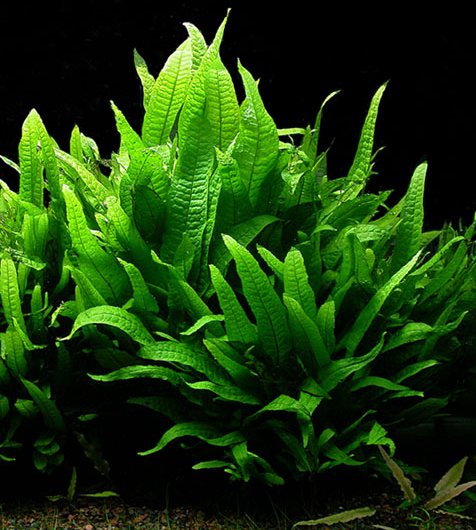
GuideJava fern (Microsorum pteropus): care, varieties and propagation
The most indestructible plant for a beginner aquarist. Grows without CO₂, without substrate, in any water. 5 common varieties, how to attach it and how to propagate it via plantlets.
 Deep-dive
Cloudy Aquarium Water: Bacterial Blooms, Green Water & Suspended Debris — Causes & Complete Fixes
Milky-white cloudiness, emerald-green water, or floating micro-particles? A comprehensive guide to diagnosing water turbidity, emergency protocols, clarifier dosages, and UV-C sterilization.
 Guide
Guide20 gallon long aquarium setup: fish, plants, equipment — complete guide
The long 76 L aquarium is the gold standard for a second tank: more horizontal swimming space, fits 30–40 fish. Specific equipment list and three working stocking plans.
 Guide
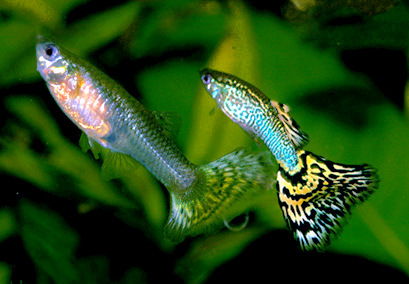
GuideGuppy (Poecilia reticulata): care, breeding and setup
The world's most popular beginner fish. Water parameters, sex ratio, feeding, runaway breeding and how to keep numbers under control.
 Guide
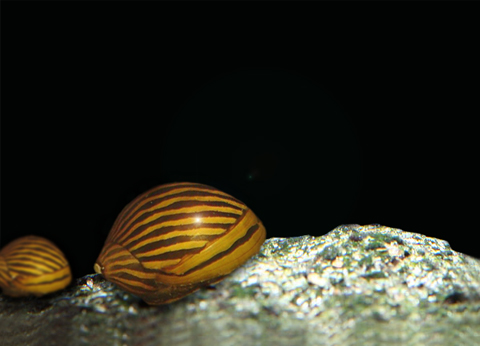
GuideNerite snails: the algae-cleaner that won't breed in freshwater
A unique snail: eats green, brown and diatom algae faster than any competitor and biologically cannot breed in freshwater. The perfect janitor for a community tank.
GuideTop 15 beginner aquarium plants you can grow without CO₂
15 plants that thrive at moderate light, without CO₂ injection and without a nutrient substrate. Size, growth rate and planting zone for each. The ideal starter set for a 38–100 L tank.
 Guide
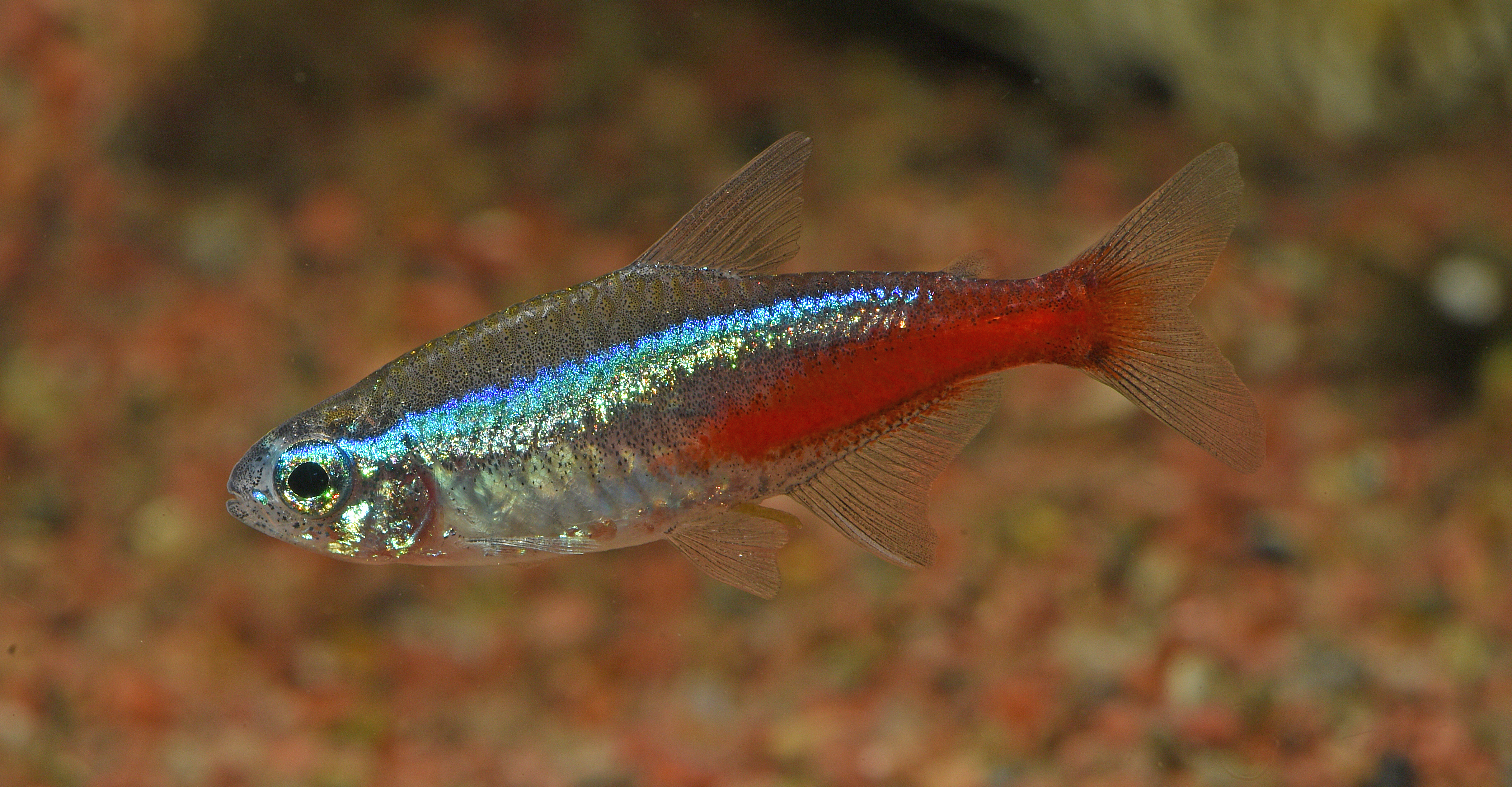
GuideNeon tetra (Paracheirodon innesi): care, setup and breeding
The world's №1 schooling fish for beginners and one of the trickiest to breed. Water parameters, school size, tankmates, neon tetra disease, blackwater spawning.
 Guide
Guide10 gallon aquarium setup under $150: a complete starter kit
A real equipment list with prices, step-by-step setup, stocking ideas. The most popular beginner tank size with a concrete budget.
 Guide
GuideCherry shrimp (Neocaridina davidi): care and breeding for beginners
The easiest aquarium shrimp for beginners: parameters, food, breeding, colour grades, common mistakes. Real numbers for keeping a colony from 10 individuals to hundreds.
 Guide
GuideBetta fish care: a complete beginner's guide (Betta splendens)
Tank size, temperature, filtration, diet, tankmates, common diseases, breeding — everything you need to know about bettas before buying one. Real numbers, no 'lives in a cup' myths.
 Deep-dive
Ich (White Spot Disease) in Aquarium Fish — Life Cycle, Heat and Medical Treatment
White spots on fish scales ('ich' or 'ick') indicate a lethal ciliated protozoan. We break down the life cycle of Ichthyophthirius multifiliis, differential diagnosis against Epistylis, heat therapy, and safe medication protocols.
 Deep-dive
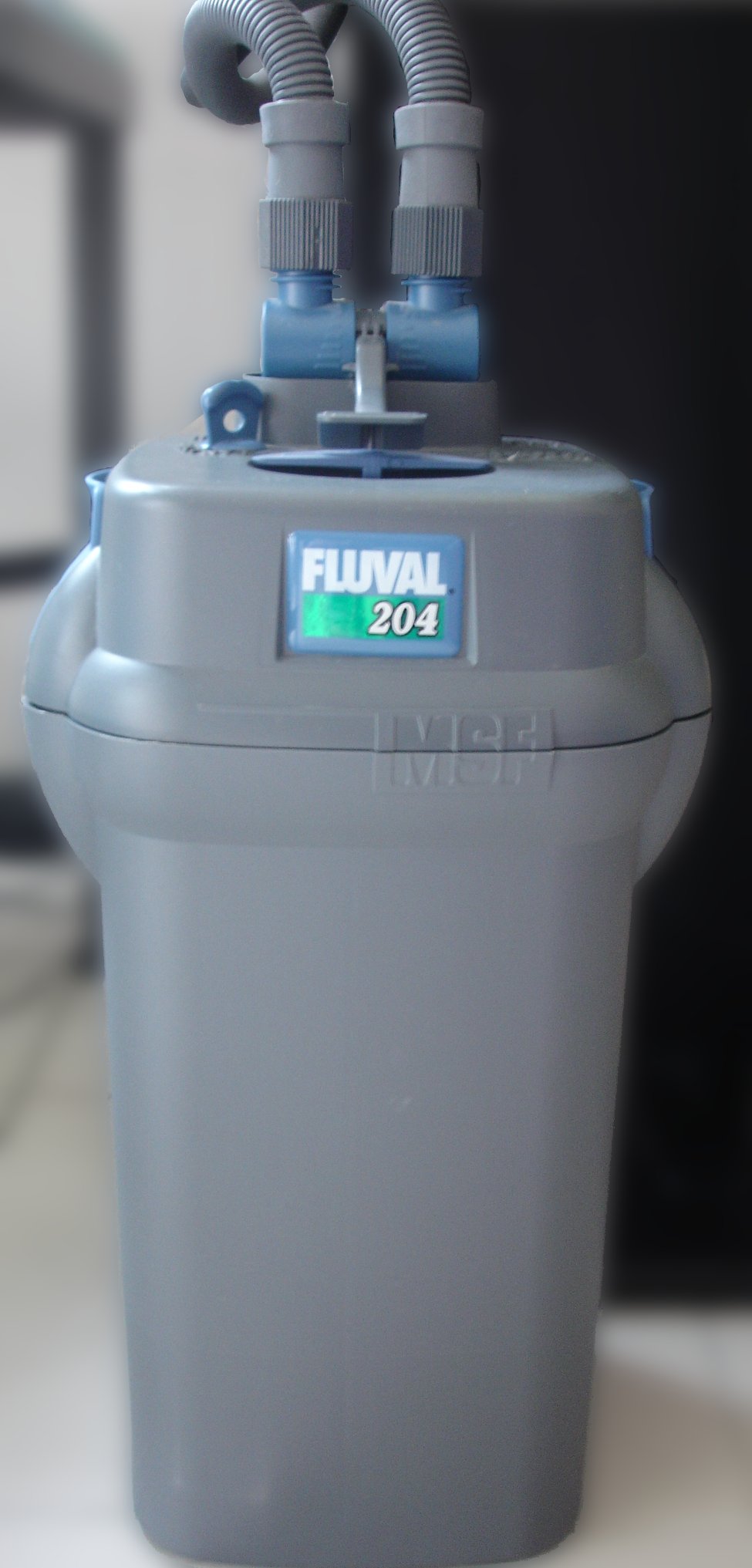
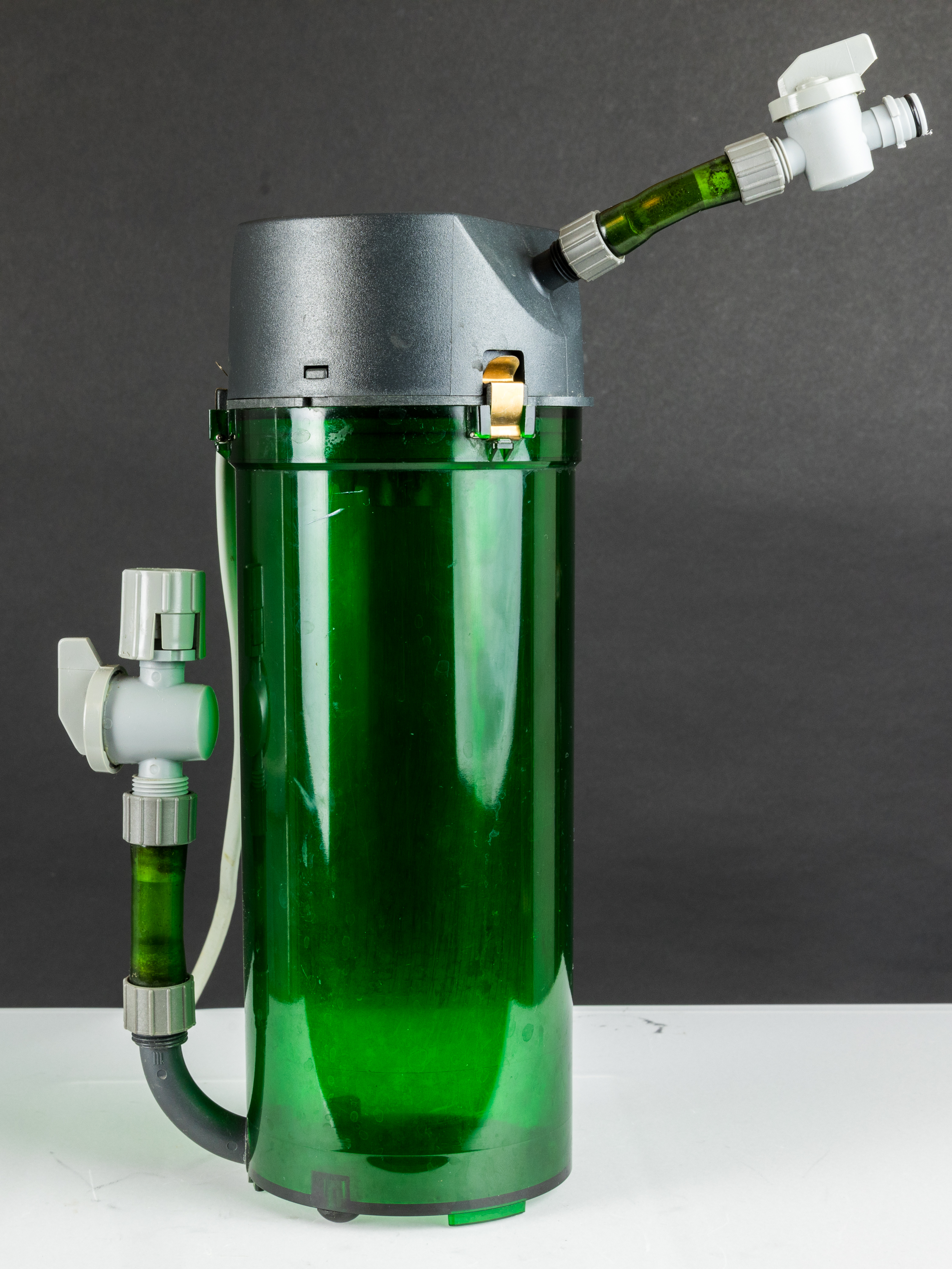
Filters and aeration for aquariums of every size — the complete guide
How to size a filter to your tank, calculate turnover, pick the right type, and decide if you need extra aeration. From nano cubes to large biotopes.
 Deep-dive
Aquarium fish diseases — diagnostic algorithm and 8 key conditions
How to spot illness by behaviour and look, a four-step diagnostic protocol and treatment outlines for the 8 most common diagnoses: ich, velvet, columnaris, dropsy, swim bladder, saprolegnia, internal parasites, gill flukes.
 Deep-dive
Velvet disease (oodinium) in aquarium fish — symptoms, treatment, prognosis
Golden-grey 'dusty' coating on the skin, fast breathing, loss of appetite. A dangerous dinoflagellate parasite — treated with darkness, copper and heat. Without therapy, mortality in 3–7 days.
 Deep-dive
Columnaris in aquarium fish — telling it from fungus and treating it
A bacterial disease often mistaken for fungus. Greyish-white cotton-like patches on head and fins; the aggressive strain can kill in 24 hours. Treatment — antibiotics, lower temperature, salt.
 Deep-dive
Dropsy (pinecone) in fish — what it is, causes and odds of saving them
Raised scales, bloated belly, bulging eyes — not a disease in itself but a symptom of severe internal infection. Prognosis is grim: fewer than half survive even with correct treatment.
 Deep-dive
Swim bladder disorder — why your fish is swimming on its side
The fish floats belly-up, lies on its side, can't hold its position in the water. Causes range from simple constipation to bacterial infection and congenital deformity. A clear diagnostic and treatment plan.
 Deep-dive
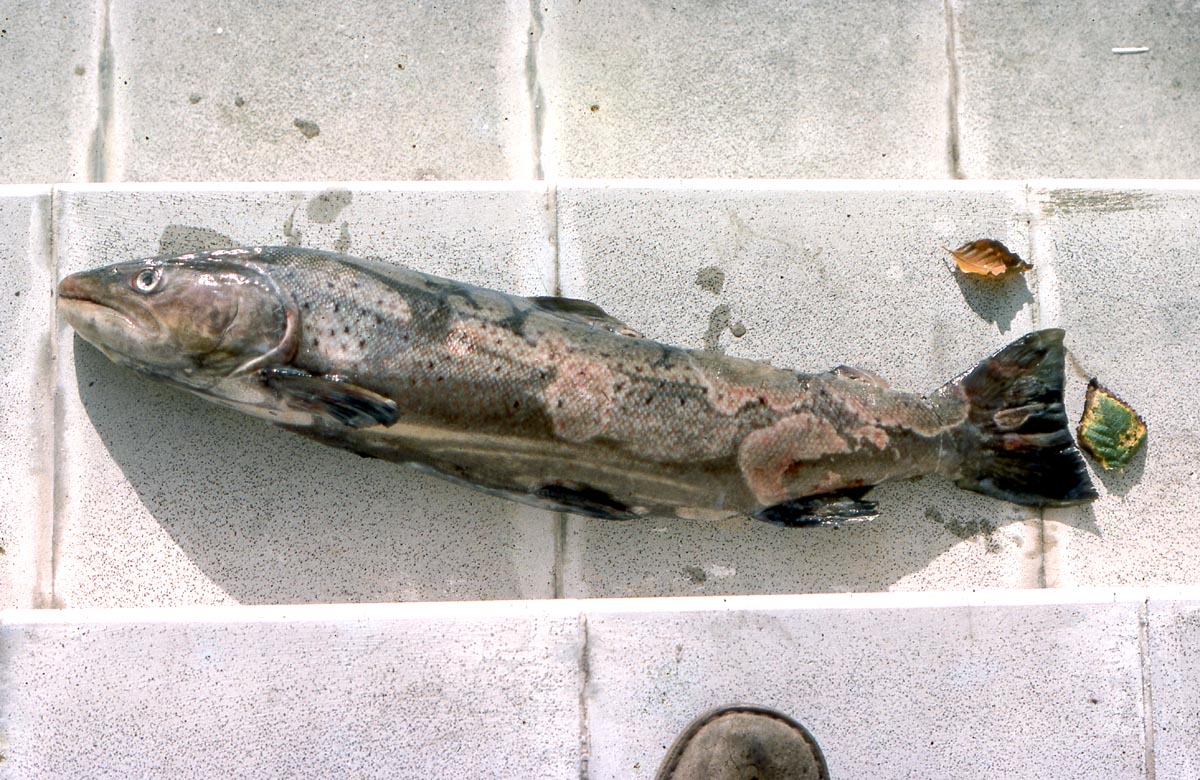
Saprolegnia (fungus) on fish and eggs — treatment and root causes
White cotton-like tufts on wounds, fins or eggs. The fungus is an opportunist — it only attacks already-stressed fish. The key to treatment is removing the underlying cause (injury, bad water, stress); the fungus itself comes off easily with methylene blue.
 Deep-dive
Internal parasites in fish: Camallanus and Hexamita — diagnosis and treatment
Red worms protruding from the vent (Camallanus) or white stringy faeces and 'hole-in-the-head' in discus (Hexamita) — two different parasites needing different drugs: levamisole and metronidazole. Detailed treatment protocol.
 Deep-dive
Gill and skin flukes (Dactylogyrus, Gyrodactylus) — diagnosis and treatment
Microscopic flatworms on gills and skin. Symptoms — fast breathing, flashing, mucus clouding. Often present latently and flare up under stress. Treatment — praziquantel.
 Deep-dive
Fish mycobacteriosis (fish TB) — diagnosis, incurability and risk to humans
A chronic bacterial infection (Mycobacterium marinum, M. fortuitum) that's essentially untreatable. Progressive wasting, spinal curvature, ulcers. A dangerous zoonosis: humans get infected through skin wounds.
 Deep-dive
Aquarium decorations: driftwood, rocks, mosses, grottos — the complete expert guide
What belongs in an aquarium and what never should. A full breakdown of driftwood, rocks, leaves, mosses and grottos: prep, risks, biology, and aquascape styles.
 Deep-dive
Live and frozen food for aquarium fish: the complete guide
Brine shrimp, daphnia, bloodworms, tubifex, home cultures — what to feed, how to culture, and which risks to dodge.
 Deep-dive
Dry food for aquarium fish: flakes, pellets, wafers — the complete guide
How to read the label, which brands actually work, flakes vs pellets, and why 'cheap food' is a beginner trap.
 Guide
GuideCO₂ systems for planted tanks: the complete guide
Cylinder or yeast, diffuser or reactor, drop checker — how to build a working CO₂ system step by step.
 Deep-dive
RO water and remineralization: when you need it and how
When to buy a reverse-osmosis unit, how to remineralize with salts, and how to avoid the classic mistakes.
 Guide
GuideAquarium electrical safety: GFCI, drip loop, surge protection
Water + electricity = a deadly mix. Simple USD 30 steps save lives and gear.
 Guide
GuideAquarium fish breeding fundamentals
Livebearers, egg-layers, separate spawning tank — what you need to know before your first breeding attempt.
 Guide
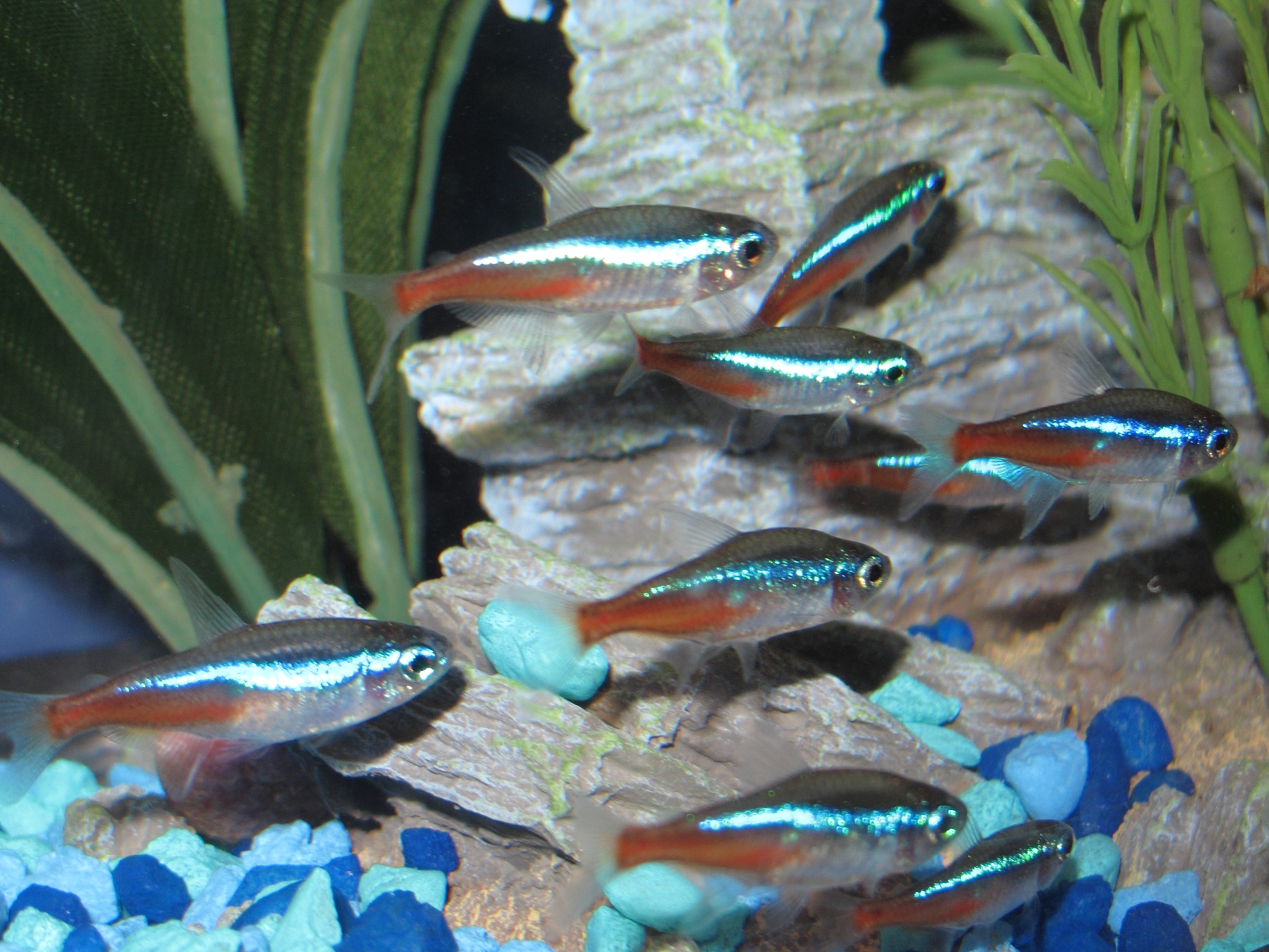
GuideAquarium fish behaviors: 12 signs and what they mean
Fish don't bark or meow, but they 'speak' through behavior. Learn to read signs of stress, sickness and breeding.
 Deep-dive
Bottled bacteria vs natural cycling: what actually works
Tetra SafeStart, Seachem Stability, Dr Tim's — all promise instant cycling. Which work, which are marketing, and when you can't skip them.
 Guide
GuideWhere to put an aquarium in your home: 9 placement factors
Not by the window, not next to the radiator, not on a flimsy shelf — 9 factors that decide the success of your first tank.
GuideYour first aquarium: a step-by-step beginner's guide
From choosing tank size to adding your first fish: what to do, in the right order, without losses.
 Guide
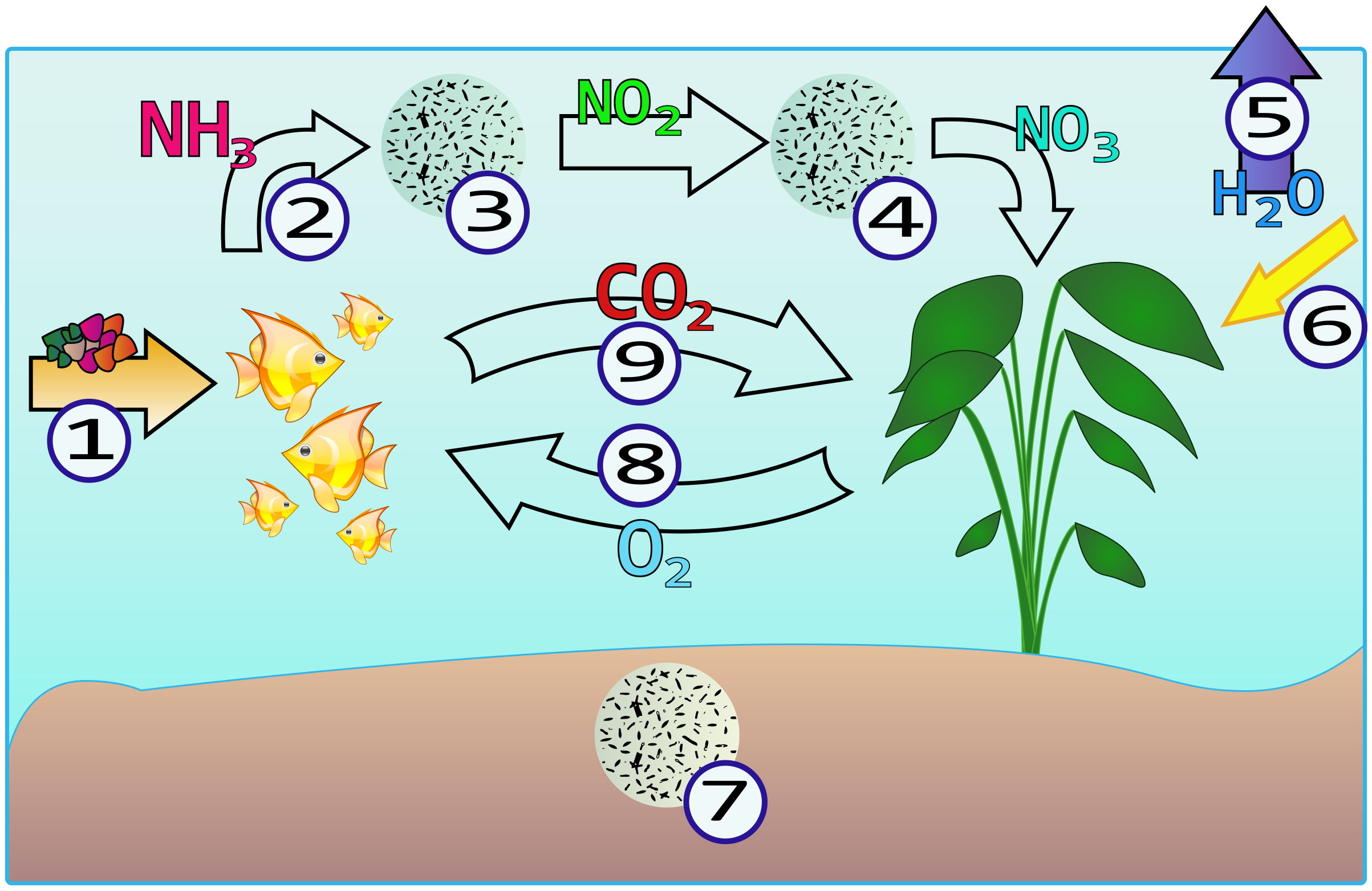
GuideThe nitrogen cycle in aquariums: cycling without losses
What happens in the filter during the first 4 weeks, and why you must not add fish sooner.
 Guide
GuideAquarium fish compatibility handbook
Don't trust universal tables: compatibility depends on volume, biotope, temperament, and numbers.
GuideWhat aquarium size for a beginner
A small tank is harder than a big one. Here's why 100 L is the reasonable minimum.
 Guide
GuideWater changes: frequency and amount
The single most important maintenance routine. How much to change, how to prep water, what to avoid.
GuideAquarium fish feeding basics
Not every fish eats the same thing. Base diet, feeding schedule, common mistakes.
GuideAquarium lighting: lamps and parameters
Kelvin, lumens, PAR. What matters for plants, what matters for fish, and where the marketing noise lives.
Deep-diveCloudy aquarium water: 6 causes and fixes
Milky cloud, green dust, yellow tint — each kind of cloudiness is a different diagnosis.
Deep-diveWhite scale in the aquarium: identification and removal
Limescale, diatoms, biofilm. Three different problems with three different fixes.
Deep-diveFish hanging at the surface: 5 diagnoses
Almost always a red flag — except for a few species for which it's normal.
Deep-diveQuarantining new fish: a 4-week protocol
The most underrated routine in the hobby — it stops new fish from bringing disease into a mature tank.
Deep-diveFin Rot, Biting, or Tears? Real Reddit Cases, Pantyhose Test, and Safe Recovery
Blackened edges or overnight tears? We break down bacterial fin rot vs fin biting with real community photos, explain clear regrowth tissue, and detail the safe catappa protocol.
 Guide
GuideAquarium substrate: sand, gravel, or aquasoil
Substrate choice shapes plant root health, water clarity, and the wellbeing of bottom-dwelling fish. We break down the three options.
GuideAquarium plants: care basics for beginners
Light, CO₂, fertiliser — the three pillars of a planted tank. What you need for a healthy green balance.
Deep-diveAlgae control: types and how to fight them
Green, black, brown, beard — each algae type has its own trigger and treatment. Identify by sight, fix the cause.
 Deep-dive
Aquarium maintenance schedule: daily, weekly, yearly
What to do daily, weekly, monthly, and yearly to keep your tank thriving for decades. The full task calendar.
GuideAquascaping basics: composition, styles, mistakes
From Amano and Iwagumi to the rule of thirds and focal points. How to design a tank you actually want to look at.
GuideBreeding tank: how to set up a dedicated spawning aquarium
A dedicated breeding tank makes spawning 10× easier. What you need, how to set it up, what to avoid.
GuideAquarium heaters: selection, wattage, failures
One of the aquarium's quiet killers. How to choose, how to size wattage, and why a heater can kill every fish in a single night.
Deep-diveSnail outbreaks: how to control the population
Snails aren't pests — they're an overfeeding indicator. How to identify them, control numbers, and stop new ones arriving on plants.
GuideExtended absence: keeping your aquarium alive
From 3 days to a month: what to prepare, who to ask, what risks to plan for — a step-by-step plan for holidays and trips.
GuideHospital tank: setup and use
When you can't dose the main tank with meds, you need a separate one. How to set it up, keep it ready, and not kill the patient.