Shrimp, snails, and crayfish
Cleaner shrimp, algae-eating snails, and peaceful dwarf crayfish — with parameters, compatibility, and real pros and cons.
Shrimp· 10
From the easygoing cherry shrimp to selectively bred crystal lines, shrimp are both useful cleaners and beautiful in their own right.
 Shrimp
Cherry Shrimp
BeginnerNeocaridina davidi
- Maximum size:
- up to 3 cm
- Tank volume:
- from 20 L
- Temperature:
- 18–28 °C
- pH:
- 6.5–8
 Shrimp
Amano Shrimp
BeginnerCaridina multidentata
- Maximum size:
- up to 5 cm
- Tank volume:
- from 40 L
- Temperature:
- 18–28 °C
- pH:
- 6.5–7.5
 Shrimp
Crystal Red Shrimp
ExpertCaridina cantonensis
- Maximum size:
- up to 3 cm
- Tank volume:
- from 30 L
- Temperature:
- 20–24 °C
- pH:
- 6–6.8
 Shrimp
Bamboo Shrimp
IntermediateAtyopsis moluccensis
- Maximum size:
- up to 10 cm
- Tank volume:
- from 100 L
- Temperature:
- 22–28 °C
- pH:
- 6.5–7.5
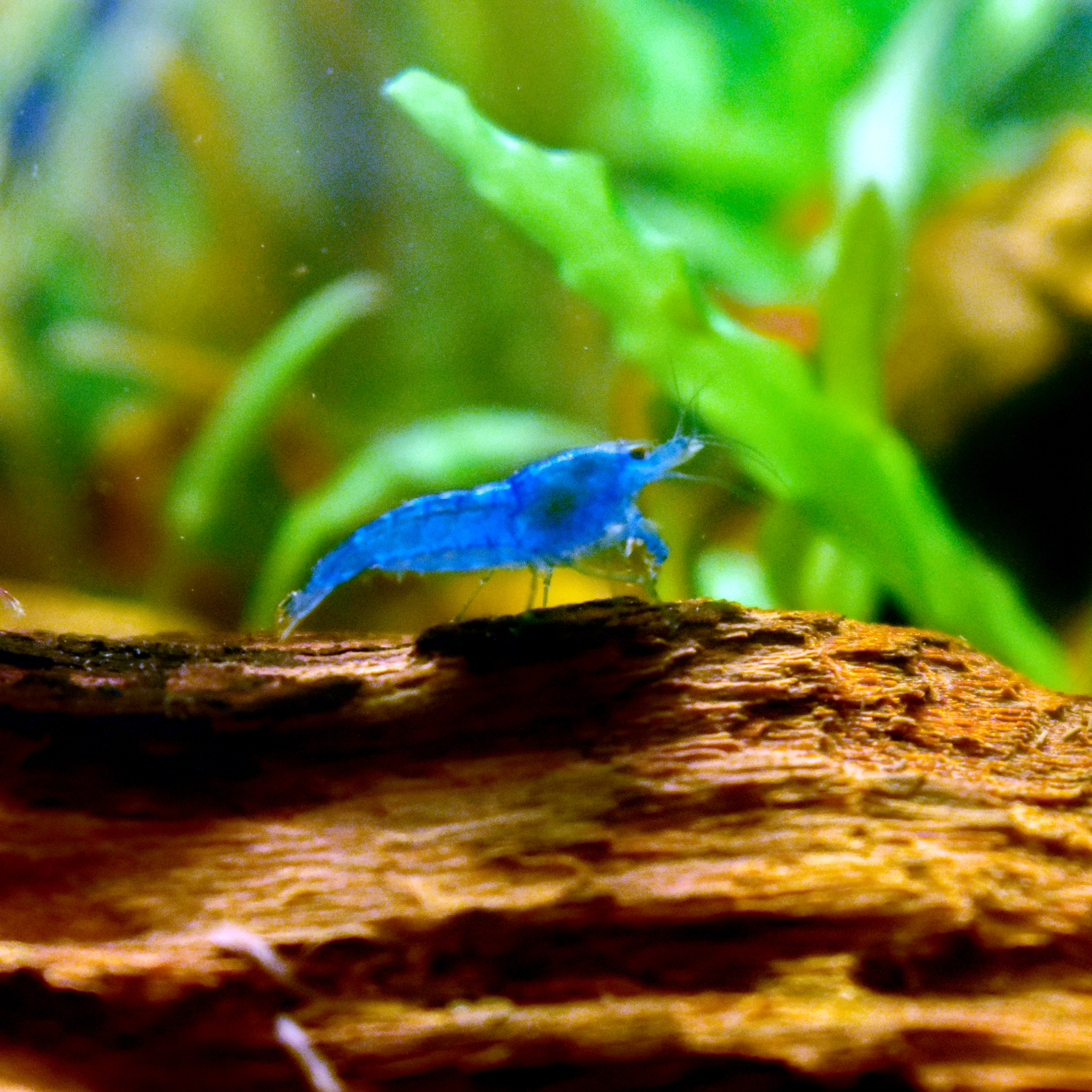 Shrimp
Blue Velvet Shrimp
BeginnerNeocaridina davidi var. 'Blue Velvet'
- Maximum size:
- up to 3 cm
- Tank volume:
- from 20 L
- Temperature:
- 18–28 °C
- pH:
- 6.5–8
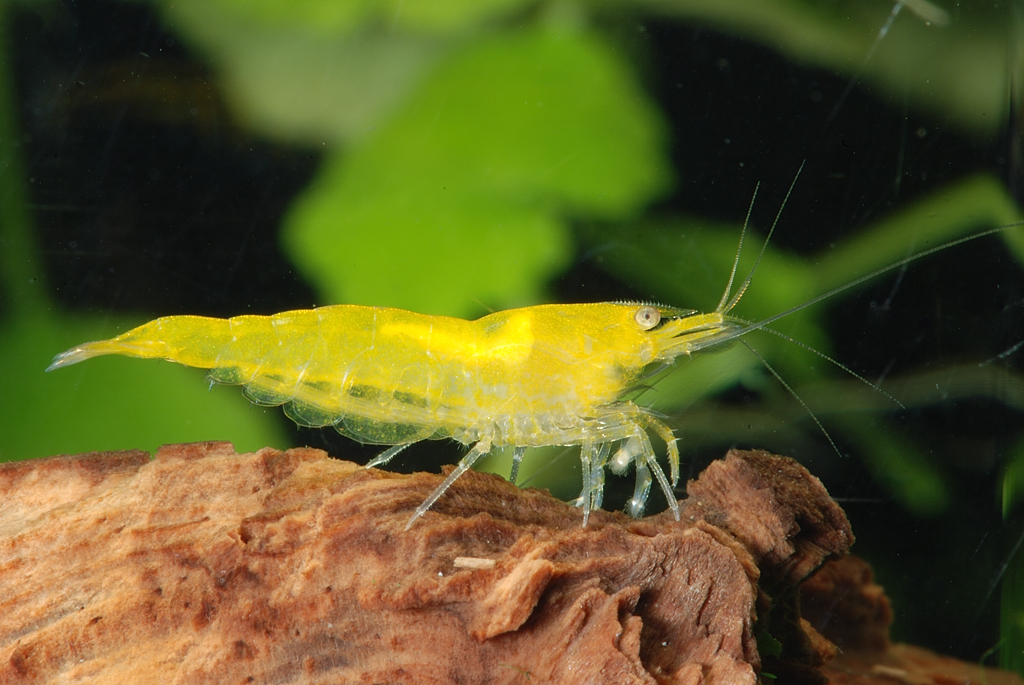 Shrimp
Yellow Fire Shrimp
BeginnerNeocaridina davidi var. 'Yellow Fire'
- Maximum size:
- up to 3 cm
- Tank volume:
- from 20 L
- Temperature:
- 18–28 °C
- pH:
- 6.5–8
 Shrimp
Ghost Shrimp
BeginnerPalaemonetes paludosus
- Maximum size:
- up to 4 cm
- Tank volume:
- from 40 L
- Temperature:
- 18–27 °C
- pH:
- 7–8
 Shrimp
Tiger Shrimp
IntermediateCaridina mariae
- Maximum size:
- up to 3 cm
- Tank volume:
- from 30 L
- Temperature:
- 18–25 °C
- pH:
- 6.5–7.5
 Shrimp
Blue Bolt Shrimp
ExpertCaridina cantonensis var. 'Blue Bolt'
- Maximum size:
- up to 3 cm
- Tank volume:
- from 40 L
- Temperature:
- 20–24 °C
- pH:
- 5.8–6.5
 Shrimp
Rili Shrimp
BeginnerNeocaridina davidi var. 'Rili'
- Maximum size:
- up to 3 cm
- Tank volume:
- from 20 L
- Temperature:
- 18–28 °C
- pH:
- 6.5–8
Snails· 8
Not the pests beginners fear. The right snails are the best algae cleaners and natural population control.
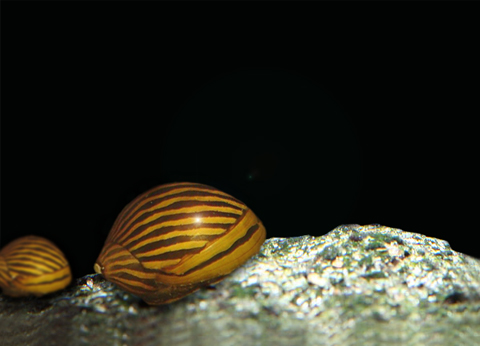 Snails
Tiger Nerite Snail
BeginnerNeritina natalensis
- Maximum size:
- up to 2.5 cm
- Tank volume:
- from 20 L
- Temperature:
- 22–28 °C
- pH:
- 7–8.5
 Snails
Horned Nerite Snail
BeginnerClithon corona
- Maximum size:
- up to 1.5 cm
- Tank volume:
- from 15 L
- Temperature:
- 22–28 °C
- pH:
- 7–8.5
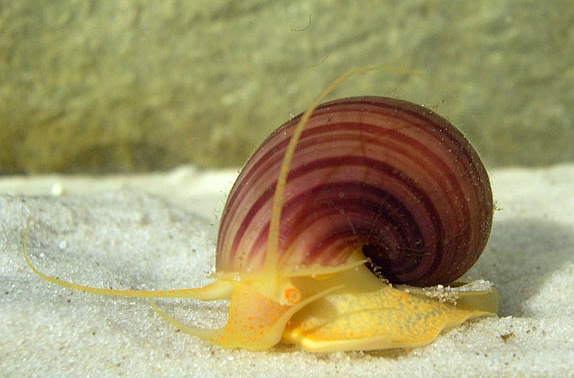 Snails
Mystery Snail
BeginnerPomacea bridgesii
- Maximum size:
- up to 6 cm
- Tank volume:
- from 40 L
- Temperature:
- 18–28 °C
- pH:
- 7–8.5
 Snails
Great Ramshorn
BeginnerPlanorbarius corneus
- Maximum size:
- up to 3 cm
- Tank volume:
- from 10 L
- Temperature:
- 15–28 °C
- pH:
- 6.5–8.5
 Snails
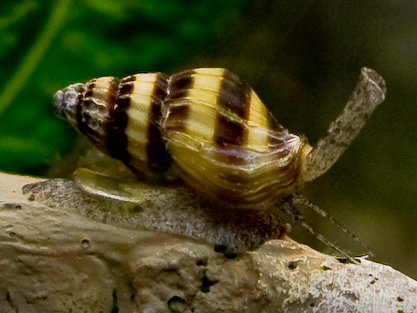
Assassin Snail
BeginnerAnentome helena
- Maximum size:
- up to 2 cm
- Tank volume:
- from 20 L
- Temperature:
- 20–28 °C
- pH:
- 7–8
 Snails
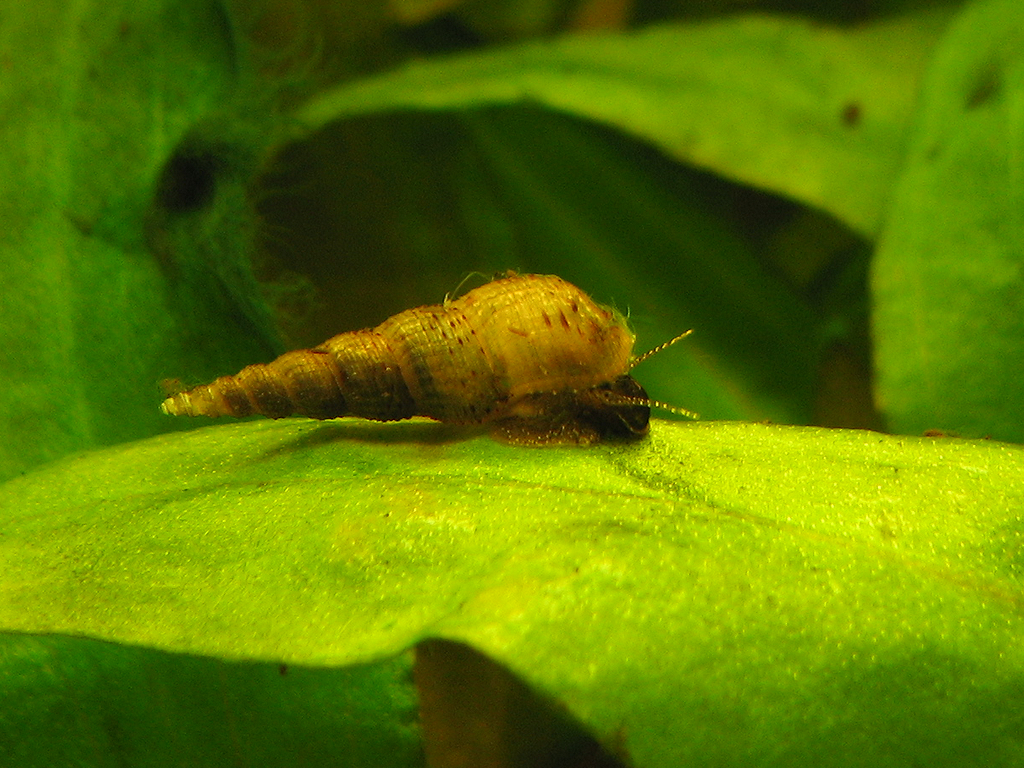
Malaysian Trumpet Snail
BeginnerMelanoides tuberculata
- Maximum size:
- up to 3 cm
- Tank volume:
- from 10 L
- Temperature:
- 22–28 °C
- pH:
- 7–8.5
 Snails
Rabbit Snail
IntermediateTylomelania zemis
- Maximum size:
- up to 8 cm
- Tank volume:
- from 80 L
- Temperature:
- 25–29 °C
- pH:
- 7.5–8.5
 Snails
Spixi Snail
IntermediateAsolene spixii
- Maximum size:
- up to 3 cm
- Tank volume:
- from 40 L
- Temperature:
- 20–26 °C
- pH:
- 6.5–8
Crayfish· 2
Dwarf species are peaceful enough for community tanks; large ones need dedicated volume and careful tankmate choice.
 Crayfish
CPO
IntermediateCambarellus patzcuarensis
- Maximum size:
- up to 5 cm
- Tank volume:
- from 40 L
- Temperature:
- 18–25 °C
- pH:
- 7–8
 Crayfish
Blue Crayfish
IntermediateProcambarus alleni
- Maximum size:
- up to 13 cm
- Tank volume:
- from 100 L
- Temperature:
- 18–28 °C
- pH:
- 7–8.5