Fish Gasping at the Surface: Oxygen Depletion vs Ammonia Poisoning
Emergency guide: why fish hang at the surface gasping for air, gill damage symptoms, red gills, and immediate life-saving water change steps.
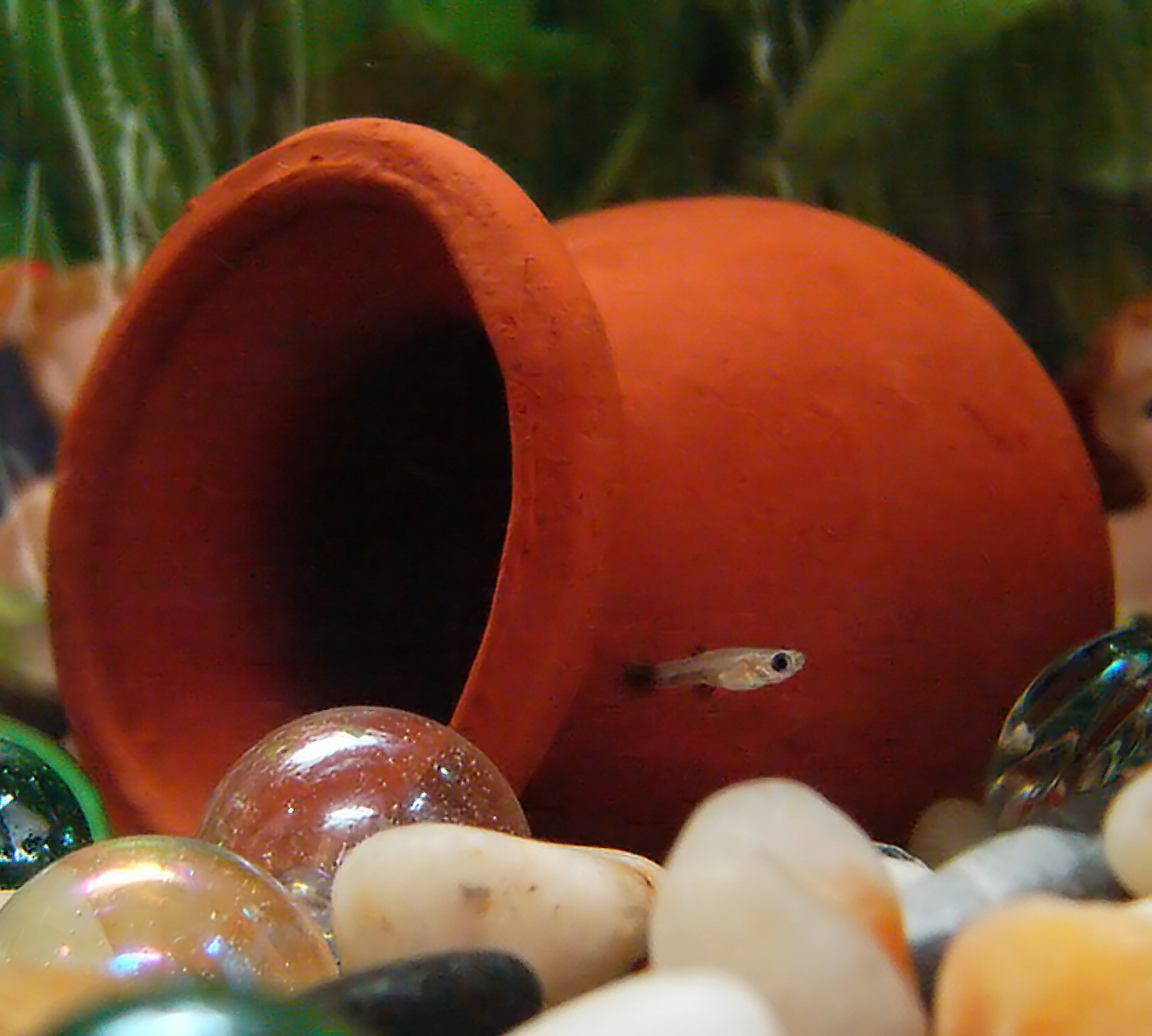
When fish abandon their normal swimming zones to hang just beneath the waterline gasping ('piping'), they are skimming the microscopic surface layer where atmospheric oxygen diffusion is highest. In 95% of cases, surface gasping is caused by one of two emergencies: true dissolved oxygen depletion (hypoxia) or chemical gill suffocation from ammonia/nitrite poisoning.
60-Second Differential Diagnosis: Oxygen Depletion vs. Ammonia Gill Burn
| Diagnostic Sign | Oxygen Depletion (Hypoxia) | Ammonia (NH3) or Nitrite (NO2-) Poisoning |
|---|---|---|
| When is it worst? | At dawn / early morning (plants and algae consume O2 all night during dark respiration) | Any time of day; often worsens 2–4 hours after heavy feeding or in tanks under 6 weeks old |
| Which fish are affected? | Every species simultaneously—even bottom dwellers (Corydoras, plecos, loaches) hang at the top | Sensitive species gasped first; some fish may dart erratically or clamp fins on the bottom |
| Gill color & appearance | Normal pink color, flared wide to maximize water flow | Inflamed purplish-red, lilac, or brownish gills with excess mucus (chemical burn) |
| Response to adding an air stone | Fish swim back down and breathe normally within 20–40 minutes of strong aeration | Fish KEEP gasping at the surface EVEN with vigorous aeration (damaged gills/blood cannot absorb O2) |
| Primary life-saving fix | Strong surface ripples + air stone + skimming surface biofilm | 40–50% water change + Seachem Prime + 1 g/10 L aquarium salt (blocks nitrite uptake) |
Why Do Fish Keep Gasping Even With an Air Stone Running?
If your air pump is bubbling at full blast yet your fish are still gasping at the surface, the water does not lack oxygen—your fish's gills or blood have lost the ability to absorb it:
• Ammonia Gill Burn (NH3): Unionized ammonia chemically burns delicate gill filaments, causing swelling, clubbing, and thick mucus buildup that blocks oxygen diffusion. • Nitrite Poisoning (NO2- / 'Brown Blood Disease'): Nitrite ions cross the gills into the bloodstream and oxidize hemoglobin into methemoglobin, which cannot bind oxygen. Your fish suffocates internally even in oxygen-saturated water! Adding 1 level teaspoon (5 g) of pure aquarium salt (NaCl) per 50 liters (13 gallons) provides chloride ions that immediately block nitrite from entering the gills.
Surface Agitation vs. Bubbles: How Oxygen Actually Enters Your Tank
Rising air bubbles spend less than two seconds in the water column—far too brief to dissolve much oxygen directly. Their real job is vertical circulation: lifting oxygen-poor bottom water to the top and breaking the surface tension. Breaking the water surface with filter ripples increases gas-exchange surface area by up to 300%.
FAQ
- Why do labyrinth fish (bettas and gouramis) gulp air at the surface—is it normal?
- Yes! Bettas and gouramis possess a specialized labyrinth organ that allows them to breathe atmospheric air. Darting to the surface every 1–3 minutes for a quick gulp of air is completely normal behavior. However, if a betta hangs listlessly at the surface non-stop with flared or red gills, test your water for ammonia and nitrite immediately.
- Is it dangerous to turn off aeration at night, or safe to run an air stone overnight?
- Turning off your air pump or filter at night is extremely dangerous! During daylight, live plants produce oxygen via photosynthesis, but at night in the dark they consume oxygen and release CO2 alongside your fish and bacteria. Running an air stone overnight in a heavily planted tank is 100% safe and prevents deadly dawn oxygen crashes.
- Why are my fish still gasping at the surface even with an air stone running at full blast?
- When fish gasp despite heavy aeration, their gills or blood cannot absorb dissolved oxygen—almost always due to ammonia gill burn (NH3), nitrite poisoning (NO2- methemoglobinemia), chlorine exposure, or gill flukes. Perform an immediate 30–40% water change with double-dosed Seachem Prime.

Goldie editorial team
Practising aquarists with a combined 30+ years of experience · Biologists and editors, fact-checking against FishBase and Seriously Fish · Every piece is reviewed by a qualified ichthyologist before publication

PhD in aquatic biology, expert in the nitrogen cycle and water quality
PhD in aquatic biology, Humboldt University of Berlin · 15+ years of peer-reviewed publications on nitrification and microbial ecology · Co-author of the textbook 'Practical aquaculture and recirculating systems'
Sources
- Practical Fishkeeping — Emergency Guide: Why Are My Fish Gasping at the Surface? · Practical Fishkeeping · 2026-10-25
- Merck Veterinary Manual — Ammonia and Nitrite Toxicosis in Fish · Merck Veterinary Manual · 2026-10-25