Aquarium keeping you can trust
Ichthyologist-reviewed guides, species profiles, and an interactive simulator to plan your tank without trial and error.
Why you can trust us
Experts on the team
Every piece is reviewed by an ichthyologist whose name and credentials are credited.
Real sources
We cite FishBase, Seriously Fish, peer-reviewed research and practitioner experience.
No clickbait
No 'top 10 in one click'. Long-form guides with verifiable numbers and rationale.
Snail outbreaks: how to control the population
Snails aren't pests — they're an overfeeding indicator. How to identify them, control numbers, and stop new ones arriving on plants.
Read the full guide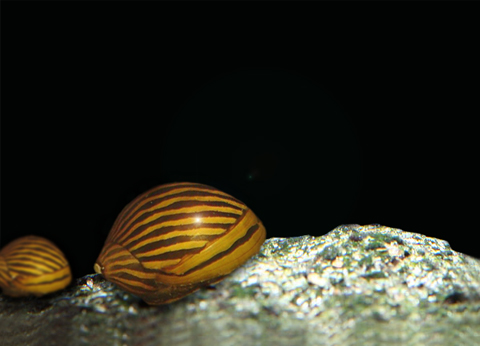
Popular species
Fish species →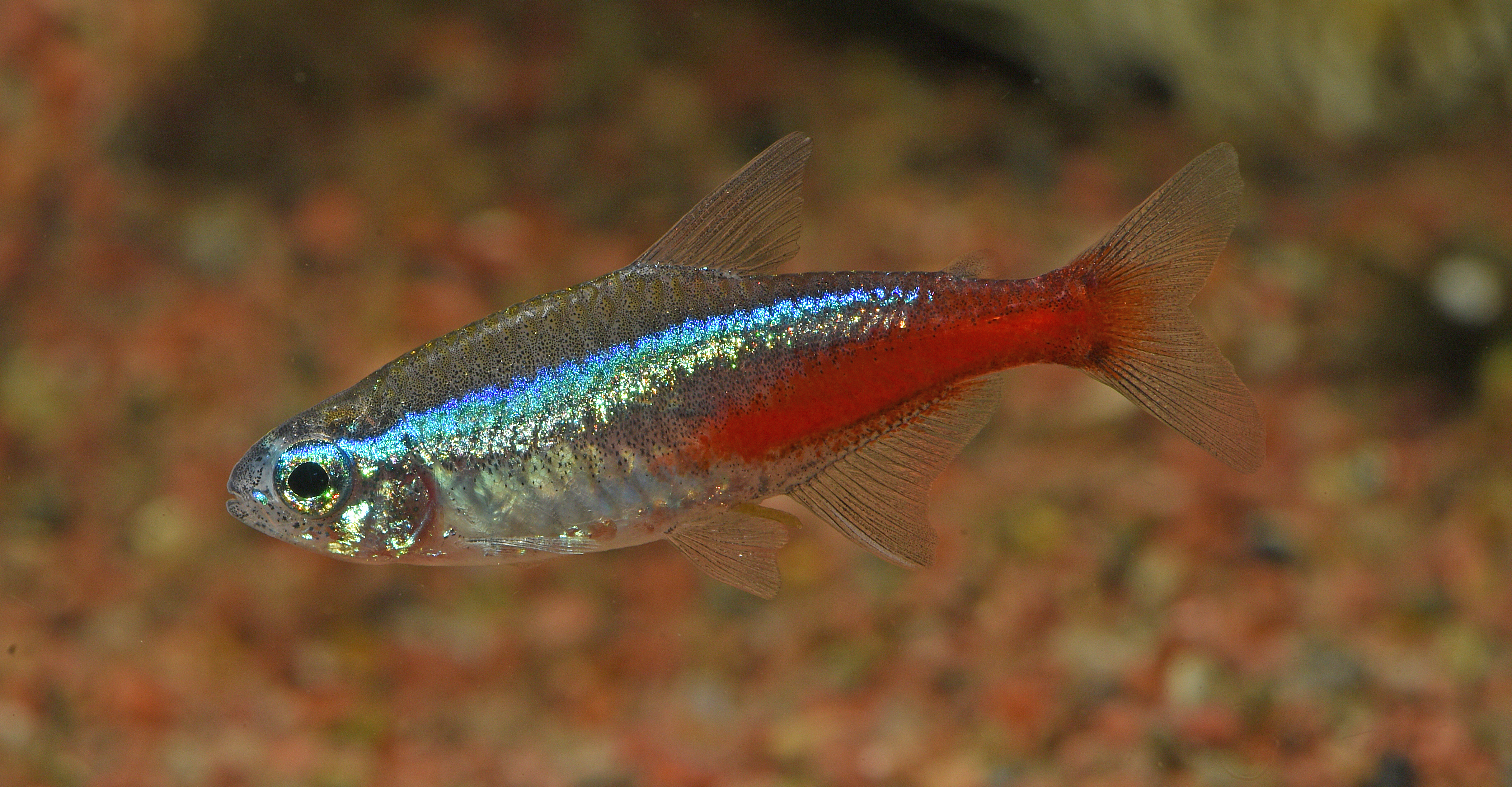
Neon Tetra
BeginnerParacheirodon innesi
- Tank volume:
- from 60 L
- Maximum size:
- up to 4 cm
- Temperature:
- 20–26 °C
- pH:
- 5–7

Betta
BeginnerBetta splendens
- Tank volume:
- from 20 L
- Maximum size:
- up to 6.5 cm
- Temperature:
- 24–28 °C
- pH:
- 6.5–7.5
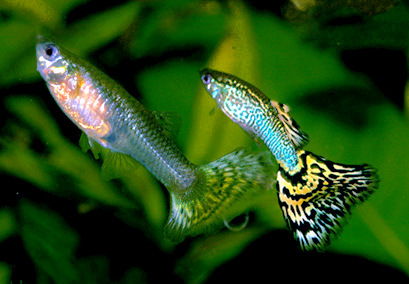
Guppy
BeginnerPoecilia reticulata
- Tank volume:
- from 40 L
- Maximum size:
- up to 5 cm
- Temperature:
- 22–28 °C
- pH:
- 7–8

Bronze Corydoras
BeginnerCorydoras aeneus
- Tank volume:
- from 80 L
- Maximum size:
- up to 7.5 cm
- Temperature:
- 22–28 °C
- pH:
- 6–7.5

Freshwater Angelfish
IntermediatePterophyllum scalare
- Tank volume:
- from 200 L
- Maximum size:
- up to 15 cm
- Temperature:
- 24–30 °C
- pH:
- 6–7.5
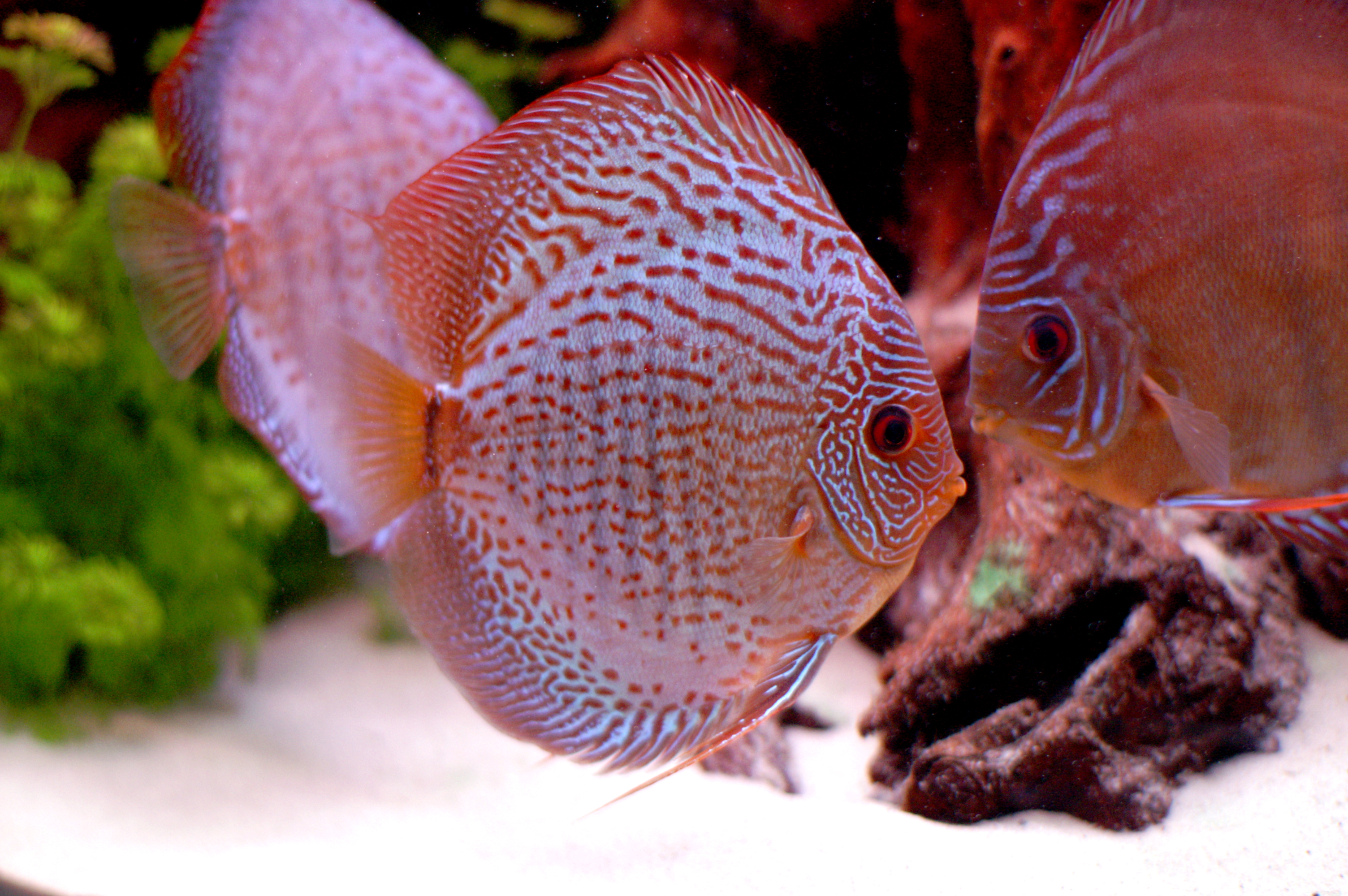
Discus
ExpertSymphysodon aequifasciatus
- Tank volume:
- from 250 L
- Maximum size:
- up to 17 cm
- Temperature:
- 28–30 °C
- pH:
- 5.5–7
Latest articles
Articles → Guide
GuideAngelfish (Pterophyllum scalare): care, tankmates and breeding
A cichlid with ambitions: graceful, territorial, capable of eating anything that fits in its mouth. Tank size, hierarchy, brood-care spawning, common compatibility mistakes.
 Deep-dive
Goldfish Care & Tank Size Mythbusting: Why Bowls Kill, Real Tank Sizes (50L+), and Long-Term Health
Why glass fishbowls are biological death traps, the actual 15–25 year lifespan of Carassius auratus, and why fancy varieties require a minimum 50–70L volume with heavy canister filtration.
 Deep-dive
Aquarium Algae Guide: Black Beard, Green Spot, Staghorn & Cyanobacteria — Complete Eradication Protocols
Stubborn black tufts on anubias, green dots welded to glass, or foul-smelling slime over substrate? Comprehensive algae identification, Redfield ratio tuning, localized H2O2 spot-dosing, and biological cleanup crews.
Topics
Articles →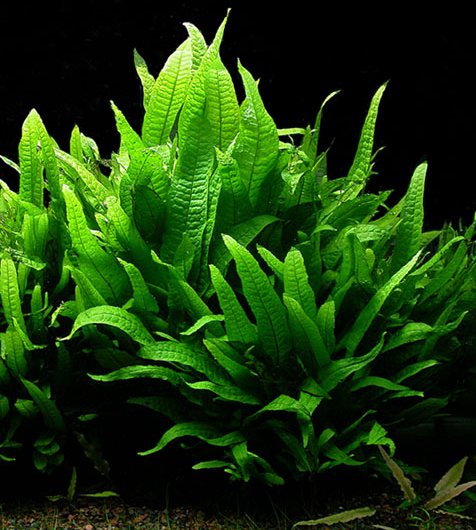 Guide
GuideJava fern (Microsorum pteropus): care, varieties and propagation
The most indestructible plant for a beginner aquarist. Grows without CO₂, without substrate, in any water. 5 common varieties, how to attach it and how to propagate it via plantlets.
 Deep-dive
Cloudy Aquarium Water: Bacterial Blooms, Green Water & Suspended Debris — Causes & Complete Fixes
Milky-white cloudiness, emerald-green water, or floating micro-particles? A comprehensive guide to diagnosing water turbidity, emergency protocols, clarifier dosages, and UV-C sterilization.
 Guide
Guide20 gallon long aquarium setup: fish, plants, equipment — complete guide
The long 76 L aquarium is the gold standard for a second tank: more horizontal swimming space, fits 30–40 fish. Specific equipment list and three working stocking plans.
GuideGuppy (Poecilia reticulata): care, breeding and setup
The world's most popular beginner fish. Water parameters, sex ratio, feeding, runaway breeding and how to keep numbers under control.
GuideNerite snails: the algae-cleaner that won't breed in freshwater
A unique snail: eats green, brown and diatom algae faster than any competitor and biologically cannot breed in freshwater. The perfect janitor for a community tank.
GuideTop 15 beginner aquarium plants you can grow without CO₂
15 plants that thrive at moderate light, without CO₂ injection and without a nutrient substrate. Size, growth rate and planting zone for each. The ideal starter set for a 38–100 L tank.