Pond Fish Winter Care: When to Stop Feeding Koi & Ice Aeration Guide
Complete winter survival protocol for koi and pond goldfish: exact feeding cutoff temperatures (Wheat Germ transition & the 8°C/46°F stop rule), interactive pond volume & winter aerator calculator, thermal stratification physics (+4°C refuge), and safe ice-hole maintenance without shockwaves.
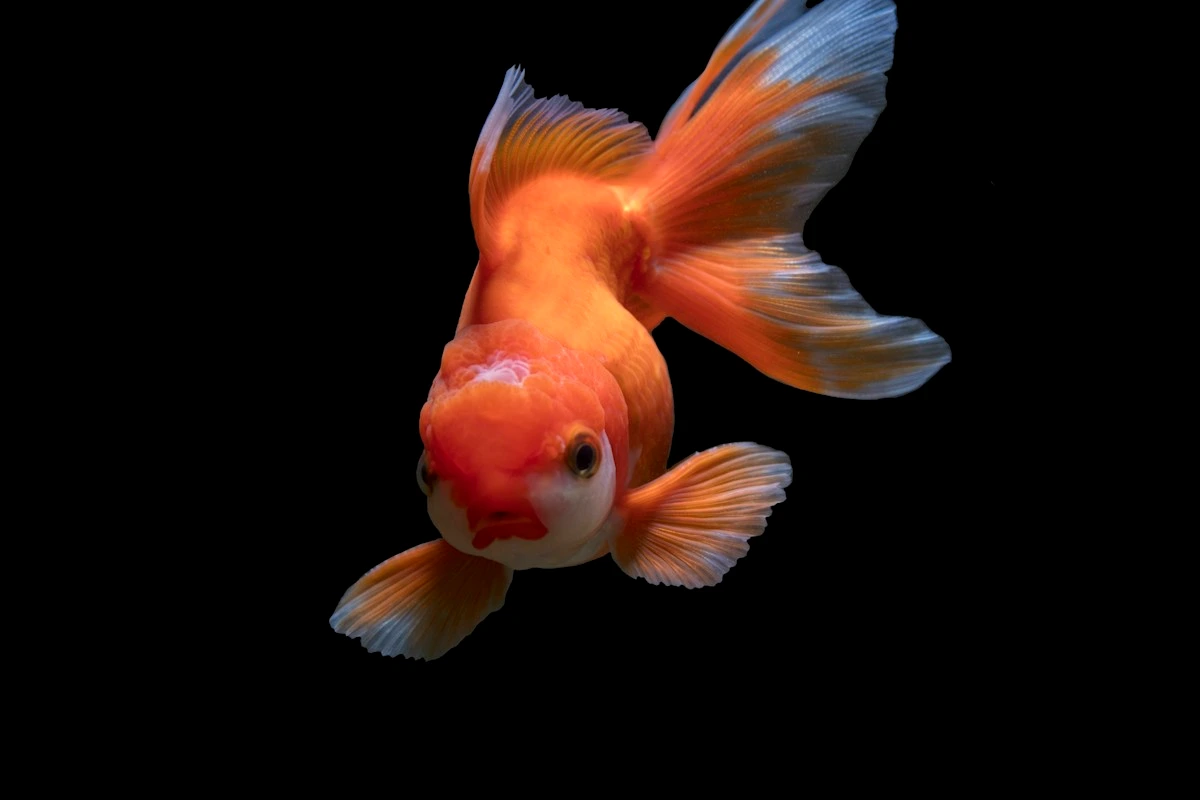
Overwintering koi (*Cyprinus rubrofuscus*) and pond goldfish (*Carassius auratus*) outdoors under ice is a race between metabolic conservation and toxic gas accumulation. Because fish are ectothermic (cold-blooded), their body temperature, heart rate, immune activity, and digestive enzyme secretion are governed directly by water temperature. Understanding the physics of thermal stratification and the exact autumn feeding cutoff temperatures ensures your fish emerge healthy in spring rather than succumbing to winterkill.
1. Autumn Feeding Schedule by Water Temperature (When to Stop Feeding Koi)
Never rely on calendar dates or air temperature to decide when to feed pond fish. Measure water temperature at 30–40 cm depth with a pond thermometer. Because koi and goldfish have a single continuous intestinal tract without an anatomical stomach, food transit time stretches from 4–6 hours in summer to over 72 hours at 10°C (50°F).
| Water Temperature | Fish Metabolism & Digestion | Diet Type | Feeding Frequency & Action |
|---|---|---|---|
| > 15°C (> 59°F) | Active metabolism; full enzyme activity | Balanced staple & conditioning pellets (32–38% protein) | 2–3 times daily; remove uneaten pellets after 5 minutes |
| 10°C – 15°C (50–59°F) | Digestion slows by 50–70%; immune system preparing for torpor | Wheat Germ low-protein sinking pellets (high vitamin E, easily digestible lipids) | Once daily during the warmest midday hours (11:00–14:00) |
| 8°C – 10°C (46–50°F) | Pre-torpor transition; gut transit takes 3–5 days | Wheat Germ sinking pellets only | Once every 2–3 days in tiny amounts only if fish rise actively; stop if frost is forecast within 48h |
| < 8°C (< 46°F) | Winter torpor (hibernation); enzymatic digestion shuts down | NONE (0% food) | COMPLETE STOP. Do not feed even during brief warm winter days until spring water stabilizes > 10°C |
Why a single sunny winter day is a trap: If air temperature briefly spikes in January or February, surface water may warm slightly and fish may swim up looking for food. If you feed them and the temperature drops back below 8°C that night, the undigested pellets remain trapped in the gut, fermenting and triggering fatal internal bacterial infection (*Aeromonas* / *Pseudomonas*).
2. Interactive Pond Winter Volume & Ice Aeration Calculator
When a pond freezes completely over, decaying leaves, biofilm, and fish respiration consume dissolved oxygen ($) while releasing carbon dioxide ($), methane ($), and deadly hydrogen sulfide ($). Even a small 20–30 cm (8–12 in) breathing hole kept open by an air diffuser allows toxic gases to vent into the atmosphere. Use the interactive calculator below to find your actual pond water volume, required winter air pump output, and freezing risk:
Pond Winterization Calculator: Volume, Ice Aeration & Freezing Risk
Calculate actual pond water volume by basin profile, required winter air pump output to keep a gas-exchange hole open, and safe diffuser placement depth.
Suspend the airstone strictly at 30–40 cm (12–15 inches) below the surface — NEVER on the pond bottom! Placing a diffuser on the bottom destroys thermal stratification and chills the +4°C (39°F) winter refuge layer.
Rule of thumb: ~0.1 L/h of air per 1 L of pond water to vent toxic H₂S/CO₂ gases without supercooling
3. Thermal Stratification Physics: Why +4°C Water Sinks to the Bottom
Water exhibits a unique physical anomaly: it reaches its maximum density (1.000 g/cm³) at exactly +3.98°C (+4°C / 39.2°F). Colder water between 0°C and 3°C is actually *less dense* and floats to the top, eventually forming an insulating sheet of ice at 0°C.
In a properly excavated pond (at least 1.0–1.5 m deep), this creates a life-saving winter stratification:
• Surface layer (0–30 cm): Ice and 0–1°C water. • Middle buffer zone (30–80 cm): 2–3°C transition layer. • Bottom thermal refuge (80–150 cm): Stable +4°C (39.2°F) dense water pocket where koi and goldfish huddle in torpor with minimal heart rate (3–5 beats per minute).
Crucial Equipment Rule: In late autumn (around 10°C), disconnect bottom drains, waterfalls, and high-flow bottom submersible pumps. Running a waterfall in freezing weather turns it into a giant cooling tower that strips out the +4°C bottom layer and supercools the entire pond to 0.5°C, freezing your fish alive. Instead, use an air pump with the diffuser stone suspended on a string 30–40 cm (12–15 in) below the surface near the pond edge.
4. Minimum Overwintering Pond Depth by Fish Species
Not all coldwater fish can survive outdoors under ice. Body morphology and minimum pond depth determine whether your fish can stay in the pond or must be moved to an indoor overwintering tank:
| Fish Species / Variety | Minimum Pond Depth (Moderate / Severe Frost) | Min Safe Bottom Temp | Wintering Verdict & Special Requirements |
|---|---|---|---|
| **Koi (*Cyprinus rubrofuscus*)** | 1.2 m / 4 ft (1.5–1.8 m / 5–6 ft in harsh continental winters) | +4°C (39.2°F) | Overwinter outdoors only in deep ponds with continuous gas-exchange hole (air diffuser at 30–40 cm + floating de-icer) |
| **Comet, Shubunkin & Common Goldfish (*Carassius auratus*)** | 0.8 – 1.0 m / 2.6 – 3.5 ft (1.2 m in severe frost zones) | +2°C to +4°C (35.6–39.2°F) | Extremely cold-hardy single-tail varieties; survive reliably outdoors if bottom sludge is vacuumed before autumn freeze |
| **Golden Orfe & Rudd (*Leuciscus idus*)** | 1.2 – 1.5 m / 4 – 5 ft | +4°C (39.2°F) | High oxygen demand even in winter; continuous winter aeration is mandatory to prevent asphyxiation |
| Fancy Goldfish (Oranda, Ryukin, Ranchu, Black Moor, Fantail) | DO NOT OVERWINTER OUTDOORS UNDER ICE | 12°C – 15°C (54–59°F) minimum | Compressed egg-shaped bodies and modified swim bladders suffer fatal paralysis and dropsy below 10°C; move indoors in early autumn |
5. Pre-Winter Pond Preparation Checklist (September – November)
1. Vacuum bottom sludge and decaying leaves: Rotting organic muck at the bottom is the #1 source of toxic hydrogen sulfide ($) gas under ice and a breeding ground for spring *Saprolegnia* fungus. 2. Stretch a leaf net over the pond before trees drop their foliage in October. 3. Trim dying aquatic plant stems (water lilies, iris, cattails) so dead foliage does not rot underwater. 4. Preventative health check at 12–15°C: Once water drops below 10°C, the fish immune system (antibody production) shuts off until spring. Treat any fin rot, ulcers, or parasites *before* water cools below 12°C.
FAQ
- At what water temperature should I stop feeding pond fish (koi and goldfish) in autumn?
- Switch to easily digestible Wheat Germ sinking pellets when pond water drops to 10–15°C (50–59°F), and stop feeding completely once water temperature falls below 8°C (46°F). Because koi and goldfish lack a true stomach, food eaten below 8°C cannot be digested and rots inside the intestinal tract, causing fatal bacterial sepsis.
- Why should you never break pond ice with an axe or hammer, and how do you safely make a hole?
- Water is incompressible, so hitting surface ice sends a powerful acoustic shockwave that ruptures fish swim bladders and causes internal hemorrhage. Instead, melt an opening cleanly by placing a metal pot filled with boiling water onto the ice, or keep a 20–30 cm hole open continuously using a floating pond de-icer and shallow air diffuser.
- Why must the winter air stone (diffuser) be placed at 30–40 cm depth instead of on the pond bottom?
- Freshwater reaches its maximum density at +4°C (39.2°F) and sinks to the bottom of a deep pond, creating a warm refuge where fish hibernate. Placing an air stone or pump on the bottom mixes freezing 0°C surface water into this +4°C bottom layer and supercools the entire pond. Suspending the diffuser at 30–40 cm (12–15 in) below the surface maintains a gas-exchange hole without disturbing the bottom thermal zone.

Goldie editorial team
Practising aquarists with a combined 30+ years of experience · Biologists and editors, fact-checking against FishBase and Seriously Fish · Every piece is reviewed by a qualified ichthyologist before publication

Senior aquarist, breeder, show judge
27+ years in aquaristics · Certified IAPLC judge (International Aquatic Plants Layout Contest) · Registered breeder of an Apistogramma agassizii line
Sources
- Merck Veterinary Manual — Management and Overwintering of Ornamental Pond Fish · Merck Veterinary Manual · 2026-10-25
- Associated Koi Clubs of America (AKCA) — Winter Koi Care & Thermal Stratification Guide · AKCA · 2026-10-25
- Practical Fishkeeping — Overwintering Pond Fish: Feeding Cutoffs and Ice Prevention · Practical Fishkeeping · 2026-10-25